Coke Oven Equipment and Replacement Components
LONSUN supplies coke oven machinery and replacement components for metallurgical coke production, maintenance and renovation projects. Scope is confirmed from equipment function, coke oven or CDQ system data, drawings, interfaces, temperature, capacity and site conditions.
Discuss Your Coke Oven RequirementCoke oven products include operating equipment, transfer units, sealing components and customized replacement parts used around the oven body and coke handling system. Because designs vary by plant and project, a reliable quotation starts from the existing equipment, interfaces and operating requirement—not a generic product name.
Coke Oven Product Range and Applications
The current supply scope covers representative equipment and components for coke handling, dry quenching, sealing, protection and maintenance replacement.
| PRODUCT DIRECTION | REPRESENTATIVE PRODUCTS | MAIN FUNCTION | TYPICAL INQUIRY INFORMATION |
|---|---|---|---|
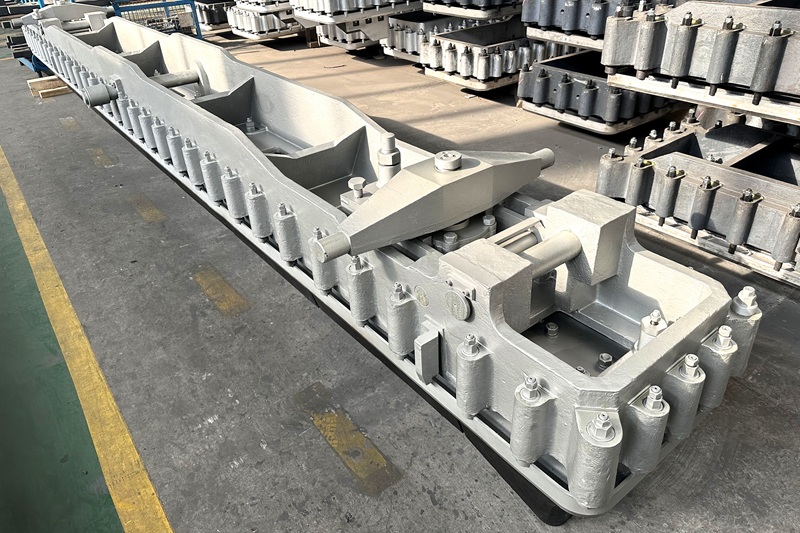
| Coke oven equipment | Coke bucket, charging device, coke quenching car | Coke handling, charging, quenching and oven-operation support | Oven type, equipment function, capacity, layout and drawings |
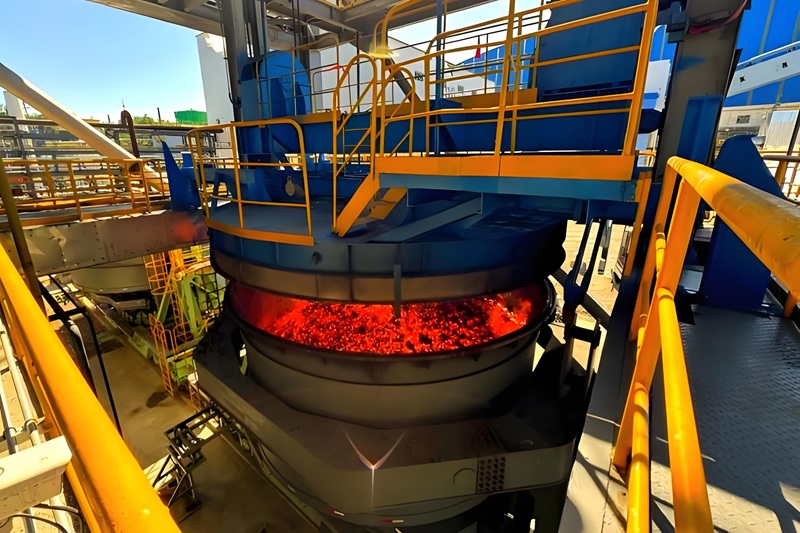
| CDQ equipment | CDQ coke bucket transfer car | Red-coke receiving, transfer and handling in the dry-quenching system | CDQ process data, bucket size, track condition and working temperature |
| Coke oven components | Coke oven door, door frame, wall protection plate | Sealing, matching, protection and maintenance replacement | Dimensions, material, sealing requirement, existing photographs and drawings |
| Customized parts | Replacement parts by drawing or sample | Maintenance, renovation and long-term spare-parts planning | Drawing, sample, working position, service temperature and quantity |
The final supply boundary must state whether the requirement is a complete equipment item, an assembly, a wear component or a replacement part matched to existing plant interfaces.
Engineering Selection and Technical Reference
Coke oven equipment is project-specific. The following engineering inputs should be fixed before material, structure, drive, sealing, inspection and delivery scope are agreed.
Key Engineering Inputs
| REVIEW AREA | DATA TO DEFINE | WHY IT MATTERS |
|---|---|---|
| Equipment function | Receiving, charging, transfer, quenching, sealing or protection duty | Defines the equipment boundary, movement and operating sequence |
| Plant and interface | Oven height/type, CDQ arrangement, track gauge, foundations, connection points and clearances | Controls fit, travel, installation and replacement compatibility |
| Capacity and load | Bucket volume, payload, travel cycle, handling rate and load cases | Establishes structural and drive requirements |
| Thermal environment | Coke temperature, radiant heat, exposure time, insulation and cooling | Guides material, lining, sealing and protection choices |
| Inspection and documentation | Material certificates, welding/NDT, dimensional checks, trial assembly and third-party inspection | Creates the acceptance and release baseline |
No universal size or material should be assumed from the category name. Final design and acceptance must follow approved drawings, agreed interfaces and project specifications.
Common Coke Oven Equipment Problems and First Review
Equipment symptoms should be reviewed against drawings, alignment, thermal exposure, operating sequence, maintenance and the condition of connected plant items.
| SYMPTOM | POSSIBLE AREAS TO CHECK | INFORMATION NEEDED |
|---|---|---|
| Door leakage or poor sealing | Door/frame deformation, sealing surfaces, adjustment, deposits, refractory condition and operating method | Door and frame drawings, leakage location, photographs, temperature and maintenance history |
| Structural cracking or distortion | Thermal gradients, overload, material, weld details, supports and operating collision | Defect map, load/event history, temperature, material/welding records and NDT |
| Travel or transfer instability | Track alignment, wheel/rail wear, drive, braking, guide condition and foundation settlement | Track survey, wheel measurements, drive data, vibration and maintenance record |
| Premature heat damage | Exposure temperature/time, insulation, refractory, cooling, shielding and material direction | Working cycle, temperature record, lining condition, photographs and affected dimensions |
| Replacement part does not fit | Drawing revision, interface dimensions, accumulated wear, site modification and datum selection | Approved drawing, site measurements, mating-part data, photographs and trial-fit record |
Safety note: hot coke, moving equipment, stored energy, suspended loads and confined work areas require plant-approved isolation, cooling, lifting and maintenance procedures before inspection or replacement.
RFQ and Procurement Checklist
A complete RFQ should define the equipment boundary and existing interfaces before price and delivery are compared.
| RFQ ITEM | BUYER PROVIDES | LONSUN CONFIRMS |
|---|---|---|
| Product and function | Equipment/component name, working position and required function | Supply boundary, proposed technical route and exclusions |
| Drawings and interfaces | Approved drawings, revisions, installation dimensions, track/foundation and mating parts | Compatibility review, drawing exceptions and required site confirmation |
| Operating conditions | Capacity, load, cycle, speed, temperature, environment and maintenance access | Material, structure, drive, sealing and protection basis |
| Existing condition | Current equipment photographs, wear/damage, service history and modification record | Replacement risks, measurement plan and recommended checks |
| Quality requirement | Material, welding, NDT, dimensions, trial assembly, coating and third-party inspection | Inspection and test plan, acceptance criteria and document list |
| Commercial requirement | Quantity, project schedule, destination, installation scope, packaging and Incoterm | Price basis, delivery scope, packing, schedule and quotation validity |