Refractory Materials for Steel Plants and High-Temperature Equipment
LONSUN supplies shaped refractory products for furnace, ladle, tundish, coke-oven, kiln and metallurgical maintenance applications. Material and grade are selected from the working position, temperature, slag or atmosphere, mechanical load, lining design and service-life target.
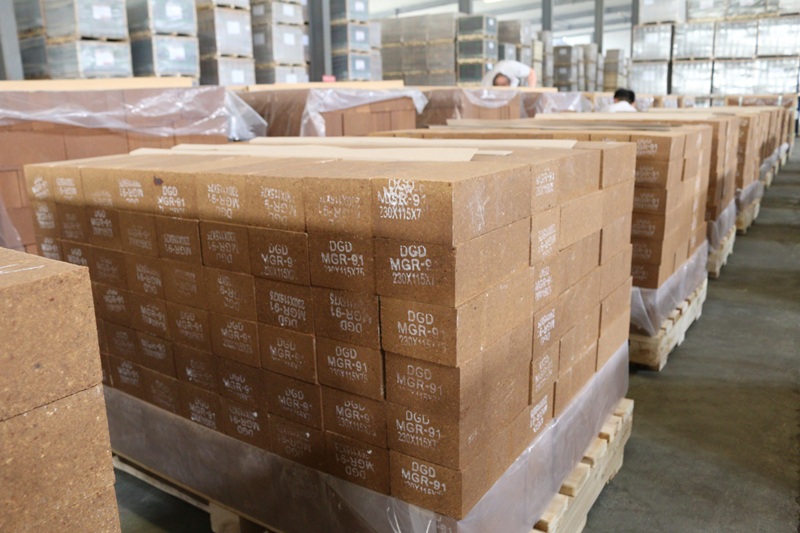
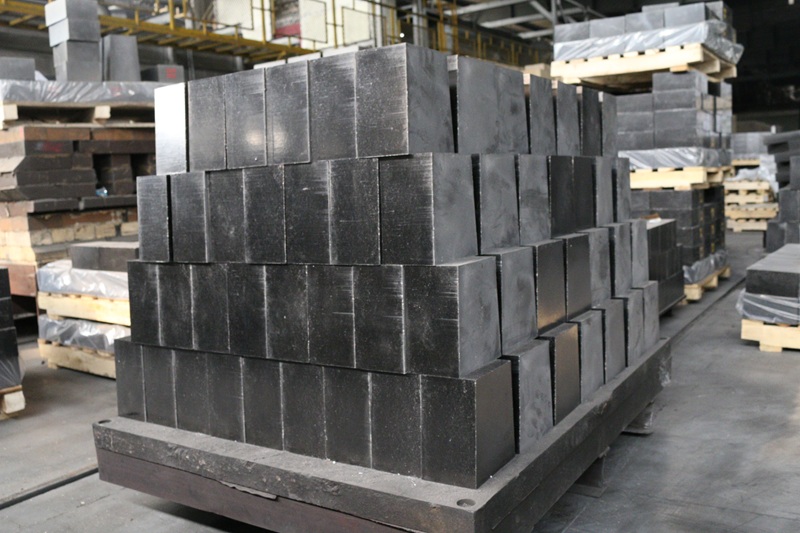
Discuss Your Refractory Material RequirementRefractory materials protect industrial equipment from high temperature, chemical attack, slag, wear and heat loss. The current product page uses magnesia and other refractory bricks as representative products. A correct specification must identify the exact lining position and working environment before a brick family is selected.
Refractory Product Types and Applications
The appropriate refractory direction changes with contact temperature, slag chemistry, atmosphere, load, thermal cycling and whether the position is a working or backup lining.
| PRODUCT DIRECTION | TYPICAL APPLICATION | COMMON REQUIREMENT | DATA TO REVIEW |
|---|---|---|---|
| Fireclay brick | General furnace and backup lining | Practical thermal stability, strength and cost balance | Service temperature, atmosphere, load, lining thickness and heat cycle |
| High-alumina / mullite brick | Steelmaking furnace, ladle, kiln and high-temperature lining | Higher refractoriness and application-matched slag/wear resistance | Al2O3 requirement, slag, temperature, load, joints and current lining life |
| Insulating fire brick | Backup insulation and energy-saving lining | Low heat loss with sufficient hot-face support and installation strength | Backup position, bulk density, temperature, compressive load and lining design |
| Magnesia and special brick | Basic-slag, ladle, tundish, coke-oven and special metallurgical positions | Chemical compatibility and controlled wear under the actual atmosphere | Slag chemistry, temperature, carbon/SiC direction, wear mechanism and service target |
Do not select refractory material from maximum temperature alone. Chemical compatibility, load, thermal cycling, joints and installation quality often control service life.
Material and Technical Reference
The current published table provides broad product directions and temperature references. Exact classification temperature, permanent-change limit, hot strength and chemical composition remain grade-specific.
Refractory Brick Reference
| Product Type | Main Material Direction | Published Temperature Reference | Common Application |
|---|---|---|---|
| Fireclay Brick | Alumina silicate / fireclay | Approx. 1300-1700°C depending on grade | General furnace lining and backup lining |
| High Alumina Brick | High alumina / mullite direction | Approx. 1500-1790°C depending on Al2O3 content | Steelmaking furnace, ladle, kiln and high-temperature lining |
| Insulating Fire Brick | Lightweight alumina silicate direction | Approx. 1100-1500°C depending on grade | Backup insulation and energy-saving lining |
| Customized Refractory Brick | Magnesia, carbon, SiC or other special direction | According to working condition | Ladle, tundish, furnace, coke oven and special metallurgical service |
Published temperature ranges are broad category references, not guaranteed continuous-use limits. Confirm chemical composition, refractoriness, bulk density, apparent porosity, cold crushing strength, thermal behavior and test standards for the selected grade.
Common Refractory Lining Problems and First Review
A refractory failure should be reviewed by location, material, installation, heat cycle, atmosphere and slag—not by brick appearance alone.
| SYMPTOM | POSSIBLE AREAS TO CHECK | INFORMATION NEEDED |
|---|---|---|
| Cracking or spalling | Thermal shock, rapid heat-up/cool-down, expansion restraint, joints, material mismatch and mechanical impact | Location map, heat cycle, lining design, installation record and photographs |
| Slag or chemical corrosion | Material/slag compatibility, basicity, FeO, atmosphere, temperature and penetration | Slag/ash chemistry, brick analysis, temperature, wear profile and service time |
| Erosion or rapid wear | Gas/metal velocity, abrasion, impact, hot strength, joints and local geometry | Working position, flow direction, thickness loss, material grade and operating cycle |
| Excessive heat loss | Insulation thickness, joints, anchors, backup lining, moisture and damaged areas | Shell-temperature map, lining drawing, material density/conductivity and inspection |
| Joint opening or lining movement | Expansion allowance, mortar, anchoring, shell deformation, installation and thermal growth | Joint pattern, lining/anchor drawing, installation data, shell condition and photographs |
Safety note: refractory inspection and demolition may involve residual heat, unstable lining, dust, confined spaces and falling material; use site-approved cooling, isolation, access and respiratory-protection procedures.
RFQ and Procurement Checklist
A refractory RFQ should define the exact lining position and operating chemistry before price per piece or ton is compared.
| RFQ ITEM | BUYER PROVIDES | LONSUN CONFIRMS |
|---|---|---|
| Application position | Furnace/ladle/tundish/coke-oven location, hot face or backup lining and lining drawing | Material family, brick shape and supply boundary |
| Operating conditions | Normal/peak temperature, atmosphere, heat cycle, slag/metal/ash chemistry, abrasion and load | Grade direction and critical property requirements |
| Dimensions and installation | Brick drawing, tolerances, joints, mortar, anchors, lining thickness and installation method | Shape, tolerance, packing and installation compatibility |
| Current performance | Existing grade, supplier data, service life, wear pattern and failure photographs | Comparison baseline and risks to address |
| Quality documents | Chemistry, density, porosity, strength, refractoriness, thermal tests and third-party inspection | Test standards, sampling, acceptance criteria and certificate list |
| Commercial requirement | Quantity/tonnage, delivery batches, destination, required date, packaging and Incoterm | Price basis, production scope, pallet/packing and quotation validity |