Sidebar

News
Lonsun's commitment goes far beyond the sale and we are dedicated to forging lasting partnerships with all our clients.
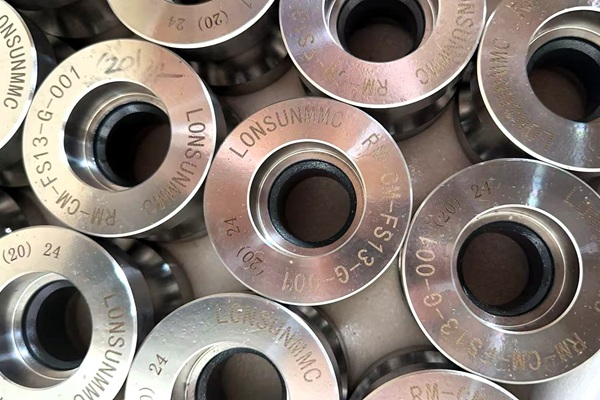
As steel producers continue to focus on production efficiency and maintenance cost control, the demand for reliable rolling mill spare parts has become increasingly important.
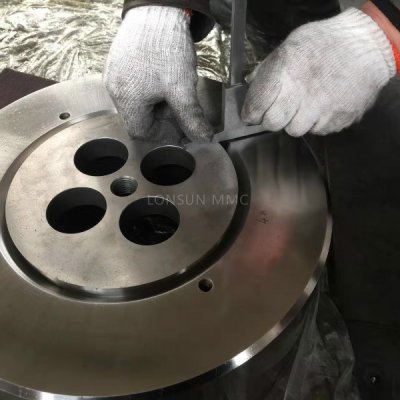
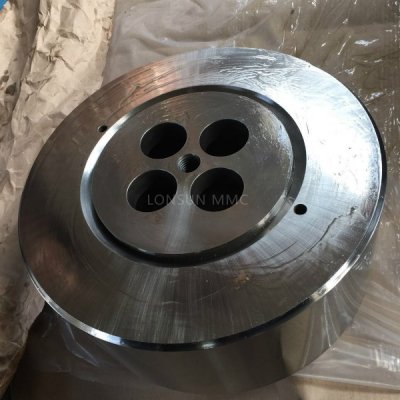
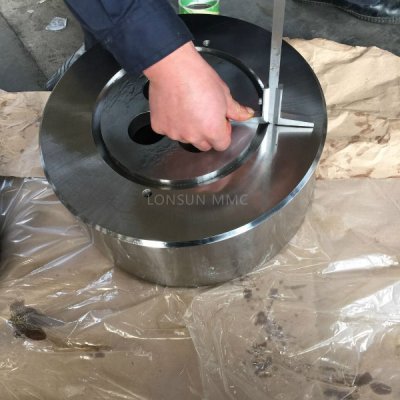
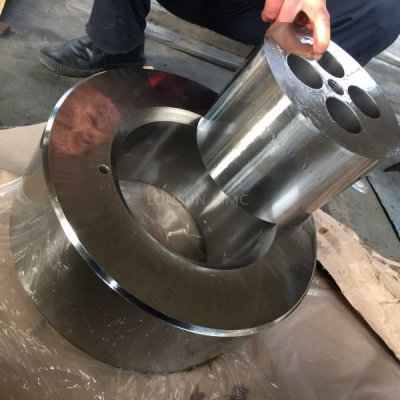
To better serve steel plants and rolling mills, LONSUN has recently expanded its product portfolio by adding a dedicated Rolling Mill Spare Parts category to its website.
The new category complements our existing roll supply business and provides customers with a wider range of maintenance solutions from a single source.
Supporting Daily Maintenance And Shutdown Projects
In many steel plants, unexpected equipment failures often lead to production interruptions and increased operational costs. Timely access to quality spare parts is essential for maintaining mill performance and minimizing downtime.
The newly added category includes various components commonly used in rolling mill maintenance and overhaul projects, such as:
* Rolling mill guide components
* Bearing housings
* Couplings and transmission parts
* Cooling system components
* Roll handling accessories
* Customized machined spare parts
These products are available according to customer drawings, technical specifications, or plant requirements.
One Supplier For Rolls And Spare Parts
Many customers prefer working with fewer suppliers to simplify procurement and project coordination.
By combining roll products with spare parts supply, LONSUN aims to provide a more efficient sourcing experience for steel manufacturers, engineering contractors, and maintenance teams.
Whether for scheduled maintenance, capacity expansion, or emergency replacement requirements, our team can assist customers in identifying suitable products and coordinating production schedules.
Continuous Expansion Of Steel Plant Product Solutions
The addition of the Rolling Mill Spare Parts category reflects LONSUN’s ongoing commitment to supporting steel plants with practical and reliable industrial products.
In the future, we will continue expanding our product range to cover more steel plant equipment and consumables, helping customers improve operational reliability and reduce maintenance challenges.
For more information about our rolling mill products and spare parts solutions, please contact our technical sales team.
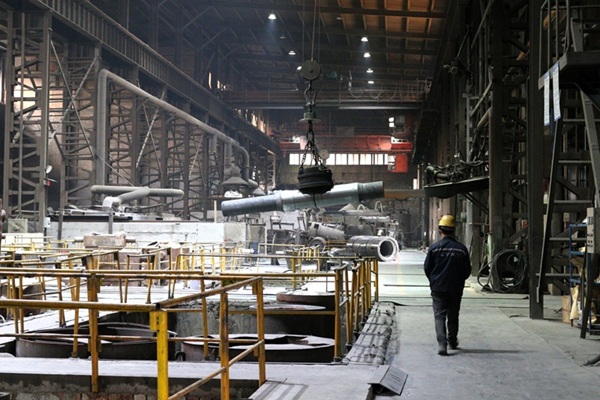
Rolling mill rolls are one of the most important consumable components in steel rolling production lines. Stable roll performance not only improves product quality, but also helps reduce downtime, maintenance costs, and overall production losses.
For steel plants and rolling mills, extending roll service life has always been an important concern. Several factors can directly influence roll durability and working performance.
1. Selecting the Appropriate Roll Material
Different rolling applications require different roll materials. Choosing the correct material according to rolling conditions is the first step toward improving roll life.
For example:
- Adamite Rolls offer good strength and wear resistance for section mills and roughing stands.
- ICDP Rolls provide excellent surface hardness and are widely used in finishing stands.
- HSS Rolls are suitable for high-speed rolling applications with demanding wear resistance requirements.
Proper material matching can effectively reduce surface cracking, wear, and unexpected roll failure.
2. Maintaining Stable Cooling Conditions
The cooling system plays an essential role in protecting roll surfaces during rolling operations.
Uneven cooling or insufficient water flow may cause thermal fatigue cracks, surface spalling, or hardness reduction. Maintaining stable cooling pressure and proper nozzle positioning can significantly improve roll stability and service life.
Regular inspection of cooling components is also recommended to ensure continuous performance.
3. Optimizing Heat Treatment Process
Heat treatment quality directly affects roll hardness, toughness, and internal structure.
Professional heat treatment processes help improve:
- Wear resistance
- Thermal crack resistance
- Surface hardness stability
- Mechanical strength
Improper heat treatment may result in premature roll damage during production.
4. Improving Daily Maintenance and Inspection
Routine maintenance is another key factor for extending roll lifespan.
Recommended maintenance practices include:
- Regular surface inspection
- Timely grinding and groove repair
- Hardness testing
- Monitoring rolling temperature
- Preventing overload rolling conditions
Preventive maintenance can reduce unexpected shutdowns and improve production efficiency.
5. Reliable Manufacturing and Quality Control
High-quality rolls require strict control during production.
Professional manufacturers usually perform:
- Chemical composition analysis
- Hardness testing
- Ultrasonic inspection
- Dimensional accuracy inspection
- Dynamic balancing tests
Reliable quality control helps ensure stable roll performance throughout the rolling campaign.
Conclusion
Extending the service life of rolling mill rolls requires a combination of suitable material selection, stable cooling systems, proper heat treatment, and effective maintenance management.
As a professional roll supplier, Lonsun continuously focuses on product quality and manufacturing improvement to support the long-term operation needs of steel plants worldwide.
In bar production, split rolling can double the output of small-spec varieties. Therefore, in the past ten years, the development of split rolling technology in China has been rapid. The three- and four-line split rolling technology has been widely used, and the more difficult five-line split rolling technology has also been in Pingxiang and Shiheng. The mature application of Xinjiang Bayi met the requirements of high efficiency and low cost for steel rolling production. In order to further expand the technical space and reduce costs to a greater extent, Xinjiang Bayi Iron and Steel Co., Ltd. has previously developed a six-wire split rolling technology for Ф12 mm ribbed steel bars.
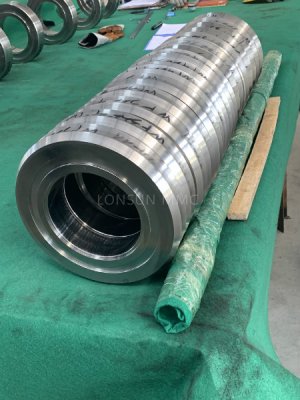
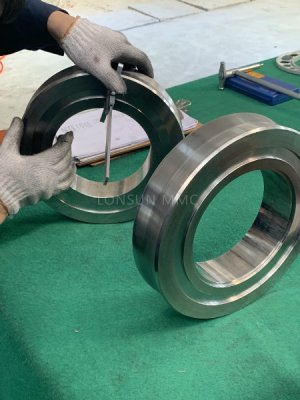
Our HSS ring has good performance for the KOCKS mill, Seamless steel tube mill,and high speed wire mill, it's the good choice as the replace plan for the nodular cast iron ring and the TC rings.
The hss ring size we supply from Dia200 to Dia650mm.