
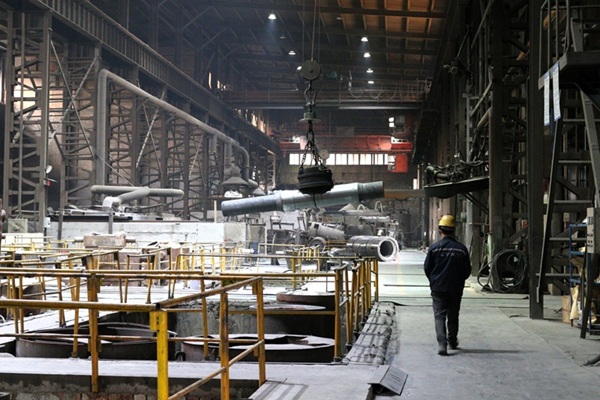
Rolling mill rolls are one of the most important consumable components in steel rolling production lines. Stable roll performance not only improves product quality, but also helps reduce downtime, maintenance costs, and overall production losses.
For steel plants and rolling mills, extending roll service life has always been an important concern. Several factors can directly influence roll durability and working performance.
1. Selecting the Appropriate Roll Material
Different rolling applications require different roll materials. Choosing the correct material according to rolling conditions is the first step toward improving roll life.
For example:
- Adamite Rolls offer good strength and wear resistance for section mills and roughing stands.
- ICDP Rolls provide excellent surface hardness and are widely used in finishing stands.
- HSS Rolls are suitable for high-speed rolling applications with demanding wear resistance requirements.
Proper material matching can effectively reduce surface cracking, wear, and unexpected roll failure.
2. Maintaining Stable Cooling Conditions
The cooling system plays an essential role in protecting roll surfaces during rolling operations.
Uneven cooling or insufficient water flow may cause thermal fatigue cracks, surface spalling, or hardness reduction. Maintaining stable cooling pressure and proper nozzle positioning can significantly improve roll stability and service life.
Regular inspection of cooling components is also recommended to ensure continuous performance.
3. Optimizing Heat Treatment Process
Heat treatment quality directly affects roll hardness, toughness, and internal structure.
Professional heat treatment processes help improve:
- Wear resistance
- Thermal crack resistance
- Surface hardness stability
- Mechanical strength
Improper heat treatment may result in premature roll damage during production.
4. Improving Daily Maintenance and Inspection
Routine maintenance is another key factor for extending roll lifespan.
Recommended maintenance practices include:
- Regular surface inspection
- Timely grinding and groove repair
- Hardness testing
- Monitoring rolling temperature
- Preventing overload rolling conditions
Preventive maintenance can reduce unexpected shutdowns and improve production efficiency.
5. Reliable Manufacturing and Quality Control
High-quality rolls require strict control during production.
Professional manufacturers usually perform:
- Chemical composition analysis
- Hardness testing
- Ultrasonic inspection
- Dimensional accuracy inspection
- Dynamic balancing tests
Reliable quality control helps ensure stable roll performance throughout the rolling campaign.
Conclusion
Extending the service life of rolling mill rolls requires a combination of suitable material selection, stable cooling systems, proper heat treatment, and effective maintenance management.
As a professional roll supplier, Lonsun continuously focuses on product quality and manufacturing improvement to support the long-term operation needs of steel plants worldwide.